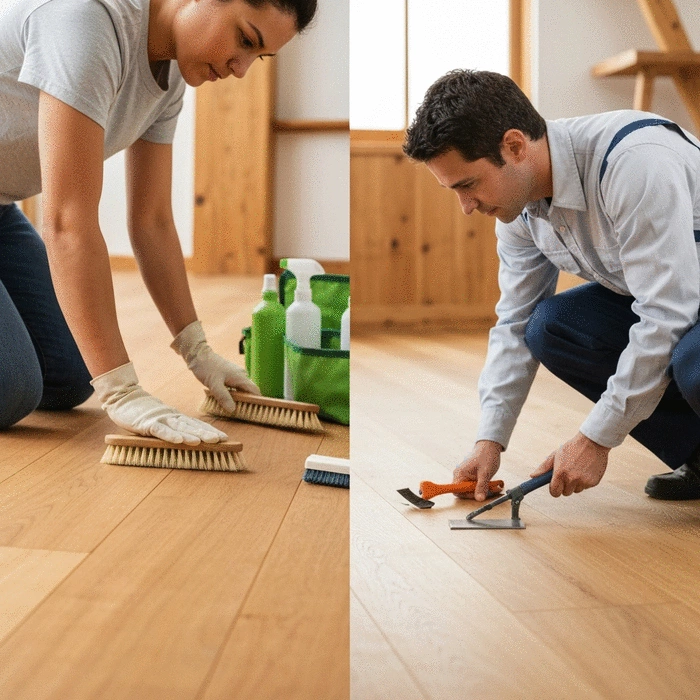
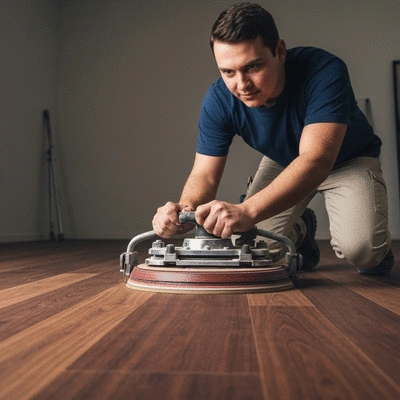
What if the key to a stunning home lies beneath your feet? Maintaining your wood floors can be a dilemma—should you go the DIY route or hire a professional? Here’s a breakdown of what to consider before making your decision.
What You Will Learn
DIY maintenance can save money but may lead to costly mistakes if done improperly.
Essential skills and tools for DIY maintenance include proper cleaning products and minor repair techniques.
Evaluate your floor's condition to determine if DIY is a viable option or if professional help is necessary.
Creating a personalized maintenance plan can extend the life of your wood floors and keep them looking beautiful.
DIY vs. Professional Wood Floor Maintenance: A Comparative Look
Understanding the key differences between maintaining your wood floors yourself and hiring professionals can help you make an informed decision to protect your investment. For those considering cleaning and caring for wood floors, this comparison is particularly useful.
DIY Maintenance: Considerations
Cost Savings Potential
Can save on labor costs and material (e.g., cheaper products at hardware stores). Improper maintenance can lead to costly repairs later.
Upfront Savings, Potential Long-term Costs
Skills & Tools Required
Basic cleaning tools, specific products, and knowledge of minor repairs. Lack of specialized skills for deeper issues.
Basic Tools, Limited Expertise
Time Commitment
Regular cleaning takes hours weekly. Intensive tasks (e.g., refinishing) can take days, requiring significant personal time.
Significant Personal Time Investment
Risks & Mistakes
Improper products, neglecting damage, over-saturating floors can lead to warping or finish damage and expensive repairs.
High Risk of Costly Errors
Professional Services: Benefits
Expertise & Equipment
Access to specialized knowledge and industrial-grade tools for optimal results and lasting floor protection.
Specialized Knowledge, Advanced Tools
Time Saving & Convenience
Frees up your schedule; professionals handle all tasks efficiently, minimizing disruption to your daily life.
Efficient, Hassle-Free Service
Guaranteed Results & Longevity
Ensures correct techniques and products are used, extending floor life and maintaining aesthetic appeal.
Durable Floors, Peace of Mind
Problem Identification
Professionals can identify underlying issues and recommend appropriate solutions before they become severe.
Proactive Issue Resolution
Understanding the Differences Between DIY Wood Floor Maintenance and Professional Services
When it comes to maintaining your wood floors, you might find yourself at a crossroads: should you dive into DIY maintenance or enlist the help of professionals? At Wood Flooring Pros, we see this question come up quite often, and it can be tricky to navigate. In this section, we'll explore both sides, helping you make an informed choice for your beautiful floors!
Why Choose DIY for Your Wood Floors?
Many homeowners are drawn to the idea of doing it themselves for various reasons. It can be a rewarding experience that not only saves money but also builds a sense of accomplishment. If you're handy and enjoy tackling home projects, you might find DIY maintenance appealing!
Cost Considerations: Is DIY Worth It?
One of the biggest motivators for taking the DIY route is saving on costs. Here are some factors to consider:
You can save money on labor costs by doing the work yourself.
Many DIY products are available at local hardware stores, often at a lower price point than professional services.
However, remember that improper maintenance can lead to costly repairs down the road!
It's essential to weigh these aspects against the potential costs of mistakes. Sometimes, the upfront savings can lead to larger expenses later on, especially when considering budgeting for wood floor care.
Skills and Tools Required for DIY Maintenance
Before you grab that mop and bucket, consider the skills and tools you'll need. Basic maintenance might require:
A good vacuum or broom for regular cleaning.
Specific cleaning products designed for wood floors.
Some knowledge of minor repairs and refinishing techniques.
While many of these tools are affordable, not everyone is equipped with the skills to fix deeper problems. If you're unsure, it might be worth consulting an expert!
Time Commitment: How Long Does It Really Take?
Time is another important factor in your decision. DIY maintenance can sometimes be more time-consuming than expected. Consider this:
Regular cleaning can take a few hours each week.
More intensive tasks like refinishing could take days, especially if you're learning as you go.
Balancing your schedule with DIY efforts might lead to frustration if you have a busy lifestyle.
It's crucial to assess whether you have the time to invest in maintaining your wood floors properly.
Challenges and Risks of DIY Wood Floor Maintenance
While DIY maintenance can be enjoyable, it’s not without its challenges. Many homeowners underestimate the intricacies involved in truly caring for their wood floors.
Common Mistakes and Their Financial Impact
Here are some common pitfalls that can lead to expensive consequences:
Using improper cleaning products that can damage the finish.
Neglecting to address scratches or dents in a timely manner.
Over-saturating the floor with water, which can lead to warping.
These mistakes can result in costly repairs and diminish the beauty of your investment. Being aware of these risks is essential before choosing the DIY route!
Assessing Your Floor's Condition: Is DIY Viable?
How do you know if your floor is ready for a DIY touch-up? It's essential to evaluate:
The age and condition of the wood.
Existing damage or wear that may require professional attention.
Your own confidence in tackling repairs.
Taking a step back to assess these factors can help you decide if a DIY approach is sensible or if professional services are warranted.
Understanding the Learning Curve: What to Expect
Embarking on a DIY project can feel like learning a new skill. Expect a bit of a learning curve:
You may need to watch tutorials and read guides to understand the best practices.
Trial and error can be part of the process, which may lead to frustration.
With practice, you can definitely improve your skills, but patience is key!
Keep in mind that while DIY can be rewarding, it may require more effort than initially anticipated. For a deeper dive into the specifics, you might find our guide on essential tools for wood floors to be helpful.
Pro Tip
Did you know? Regularly maintaining your wood floors can significantly extend their lifespan. Simple tasks like sweeping and using the right cleaning products can prevent dirt buildup and damage. Always opt for pH-neutral cleaners specifically designed for wood to keep your floors looking their best!
Frequently Asked Questions About Wood Floor Maintenance
What are the main differences between DIY and professional wood floor maintenance?
DIY maintenance offers cost savings and a sense of accomplishment but requires time, skills, and tools, with a higher risk of costly mistakes. Professional services provide expertise, specialized equipment, save time, and guarantee lasting results, often identifying problems before they become severe.
Can improper DIY wood floor maintenance lead to more expensive repairs?
Yes, using incorrect products, neglecting damage, or over-saturating floors with water can lead to issues like warping, finish damage, and costly repairs that negate any initial savings.
How much time should I expect to commit to DIY wood floor maintenance?
Regular cleaning can take a few hours weekly, while more intensive tasks like refinishing might require several days, depending on your experience and the size of the area.
When should I consider hiring a professional for my wood floors?
It's advisable to hire a professional for deep scratches, warping, stubborn stains, or any significant damage. Professionals have the expertise and equipment to address complex issues effectively and prevent further damage.
What should be included in a comprehensive wood floor maintenance plan?
An effective maintenance plan should include daily cleaning (sweeping/vacuuming), weekly maintenance (mopping with pH-neutral cleaner), and seasonal inspections to assess wear and damage. It should be tailored to your lifestyle and flooring type.
Making the Right Choice for Your Wood Floors
Choosing the best maintenance approach for your wood floors can feel like navigating a maze. Every homeowner has unique circumstances, skill levels, and budgets that influence their decisions. At Wood Flooring Pros, I believe understanding your options is essential to ensuring your wood floors remain beautiful and durable for years to come!
Evaluating Your Options Based on Your Homeowner Profile
Before jumping into maintenance methods, let’s assess your skills and resources. Are you comfortable tackling DIY projects? Do you have the necessary tools? Evaluating your readiness can help you decide whether to roll up your sleeves or to call in the pros.
Skills: Do you have experience with home maintenance or are you a complete novice?
Tools: Are you equipped with essential tools for cleaning and maintaining wood floors?
Time: How much time can you realistically dedicate to upkeep?
Recognizing these factors can lead to a more informed decision. If you feel confident and have the right tools, DIY could be a rewarding option for maintaining your wood floors!
Assessing Your Skills and Resources: DIY Readiness
Being honest about your DIY readiness is crucial. If you lack experience, it’s important to consider whether you can efficiently manage the necessary tasks without causing potential damage. Remember, wood flooring is an investment, and mishandling maintenance could lead to costly repairs down the line.
Recognizing When Professional Expertise Is Essential
Sometimes, the best choice is to hire a professional. If you notice issues like deep scratches, warping, or stains that seem impossible to remove, it’s time to call in the experts at Wood Flooring Pros. Our team has the expertise and equipment needed to restore your floors and protect your investment.
Final Thoughts: Navigating Your Wood Floor Maintenance Journey
As you embark on your wood floor maintenance journey, creating a maintenance plan tailored to your specific needs is essential. This plan should reflect your lifestyle, the type of wood flooring you have, and the maintenance methods you’re comfortable with.
Creating a Maintenance Plan That Works for You
Your maintenance plan should include a realistic schedule for cleaning, refinishing, and inspections. Consider factors like the foot traffic in your home and the specific needs of your wood flooring type. You might find that a simple plan can keep your floors looking their best!
Cleaning Frequency: How often do you need to clean your floors?
Refinishing Schedule: When should you plan to refinish or restore your floors?
Inspection Routine: How often will you check for signs of wear or damage?
Engaging with Experts: Finding the Right Professional Services
When it comes to hiring professional help, take your time to research and find the right service that aligns with your needs. Look for a company, like Wood Flooring Pros, that values integrity, reliability, and customer satisfaction. Ask for recommendations and check online reviews to ensure you’re making an informed choice! For more insights on professional help, you can explore whether to choose DIY or professional wood flooring installation and maintenance.
Building a Comprehensive Floor Maintenance Schedule
A comprehensive maintenance schedule will not only save you time but also extend the life of your wood floors. I recommend breaking it down into manageable components to ensure consistency in care.
Key Components of an Effective Maintenance Schedule
Your maintenance schedule should encompass all facets of care, from daily cleaning to periodic inspections. Here are some key components to include:
Daily Cleaning: Sweep or vacuum to remove dirt and debris.
Weekly Maintenance: Mop with a pH-neutral cleaner.
Seasonal Inspections: Assess for wear and damage, adjusting your care as needed.
Utilizing a Flooring Maintenance Checklist for Consistency
A checklist can help you stay on track! Keep it visible in your cleaning area, and mark off tasks as you complete them. With this approach, you’ll create a routine that keeps your wood floors in top shape!
Recap of Key Points
Here is a quick recap of the important points discussed in the article:
DIY Maintenance: Cost-effective and rewarding but requires skills and tools.
Common Mistakes: Using improper products and neglecting timely repairs can lead to costly damages.
Time Investment: DIY can be time-consuming; assess your schedule before committing.
Professional Services: Ideal for deep scratches, warping, or extensive damage that requires expertise.
Maintenance Plan: Create a realistic schedule for cleaning and inspections tailored to your flooring needs.
Your premier Australian specialist for mastering wood craftsmanship in your home. We help homeowners achieve the perfect look with eco-friendly installation and expert refinishing guidance.
Trusted by local families, our mission is to provide durable, high-quality flooring solutions backed by Lucas Harrington’s decade of industry expertise.