Budgeting for Wood Floor Care
Posted on: 2026-01-30
By: Lucas Harrington
How much do you really know about maintaining the beauty of your hardwood floors? Understanding the costs of wood floor maintenance isn’t just a financial decision—it’s about preserving an investment that can last a lifetime. Here are the crucial insights that every homeowner should keep in mind.
What You Will Learn
- Understanding the difference between initial and long-term expenses is key to budgeting effectively for wood flooring.
- Preventive maintenance can significantly reduce future repair costs and extend the lifespan of your floors.
- Choosing the right hardwood species can enhance the value of your home based on their durability and maintenance needs.
- Neglecting proper maintenance can lead to costly repairs, underscoring the importance of a consistent upkeep plan.
- Engaging professionals for complex maintenance tasks can save time, money, and headaches down the line.
Wood Floor Maintenance: Initial vs. Long-Term Costs
Understanding the financial aspects of wood floor maintenance is key. This visual breaks down the differences between initial installation costs and ongoing long-term expenses, helping you budget effectively for the lifespan of your beautiful wood floors. For a deeper dive into the financial commitments, consider exploring hardwood flooring costs in Australia.
Initial Costs: Installation & Setup
- ✓
Wood flooring materials
- ✓
Installation labor (Pro expertise)
- ✓
Finishing treatments & underlayment
Typically $8-$15 per sq ft.
Long-Term Costs: Maintenance & Care
- ✓
Routine cleaning supplies
- ✓
Refinishing (every 7-10 years)
- ✓
Potential repairs (e.g., water damage)
Crucial for lifespan & value retention.
Longevity & Value Retention
Hardwood floors can last a lifetime with proper care. Compare to laminate (10-15 years). Different species like Oak and Maple offer excellent value retention, while Pine is more cost-effective but softer.
Understanding the Costs of Wood Floor Maintenance Over Time
When it comes to maintaining the beauty and longevity of wood flooring, understanding the costs involved is essential. Whether you're considering a new installation or looking to preserve your existing floors, being aware of both initial and ongoing expenses can help you make informed decisions. I often find that homeowners underestimate these costs, leading to unexpected surprises down the line. Let's dive in!
What are Wood Floor Maintenance Costs?
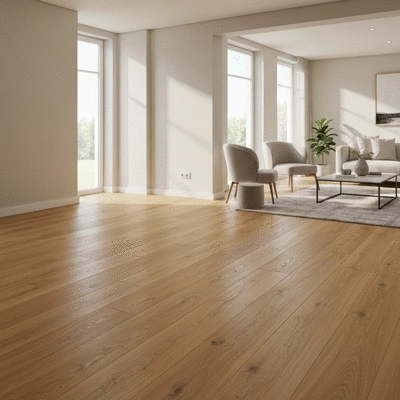
Wood floor maintenance costs can be broadly categorized into two main types: initial expenses and long-term expenditures. The initial costs involve installation and immediate treatments, while long-term costs cover routine maintenance, refinishing, and potential repairs. By understanding both, we can create a budget that reflects the true cost of ownership.
Defining Initial vs. Long-Term Expenses
- Initial Expenses: This includes the cost of wood flooring materials, installation labor, and any necessary finishing treatments.
- Long-Term Expenses: These are recurring costs, such as refinishing, repairs, and regular cleaning supplies.
- Unexpected Costs: Always budget for unforeseen issues, like water damage or deep scratches that require immediate attention.
Understanding these distinctions helps homeowners prioritize their budget effectively. It’s important to anticipate both the upfront and the ongoing costs to ensure your wood flooring remains a valuable asset.
Importance of Budgeting for Maintenance and Repairs
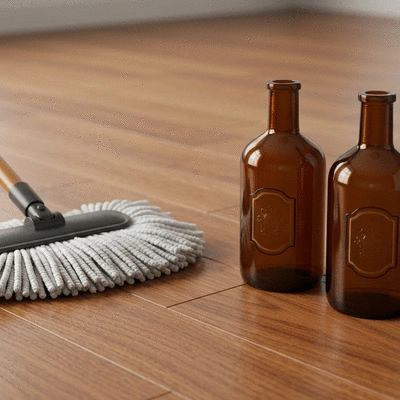
Budgeting for maintenance and repairs is crucial for safeguarding your investment. Imagine this: you’ve just installed beautiful hardwood floors, but without a proper maintenance plan, those floors can quickly lose their luster. Regular upkeep not only maintains the appearance but also prevents costly repairs down the road. That’s why I recommend setting aside a specific percentage of your flooring investment each year for maintenance. For effective care, check out these cleaning and caring for wood floors tips.
The Lifespan of Hardwood Flooring: A Cost-Benefit Analysis
Hardwood flooring can last a lifetime, but what does that mean for your budget? To truly understand the value of investing in quality wood floors, we should consider the initial installation costs in relation to their longevity and potential replacement costs of other flooring types.
Initial Installation Costs Explained
- Costs can range from $8 to $15 per square foot, depending on the wood species and installation complexity.
- Don’t forget to include expenses for underlayment and finishing treatments!
- Professional installation costs add value through expertise that ensures a flawless finish.
Understanding these costs allows homeowners to evaluate their options based on their budget and desired flooring aesthetics. Quality wood flooring may require a higher initial investment, but it pays off in the long run.
Comparing Longevity to Replacement Costs of Other Flooring Types
When comparing hardwood floors to alternatives like laminate or vinyl, let's ask ourselves: how long do we really want our flooring to last? While laminate might be cheaper upfront, it typically lasts only 10-15 years, whereas hardwood can last a lifetime with proper care. This longevity means that the cost per year of hardwood is often lower than cheaper options, making it a worthwhile investment.
Evaluating Value Retention of Different Hardwood Species
- Oak: Known for its durability, it tends to retain value well.
- Maple: Offers a beautiful finish and good longevity.
- Pine: More cost-effective but softer, meaning it may require more maintenance.
When choosing a hardwood species, consider not just the initial cost but how well it will hold up over time. The right choice can enhance the value of your home significantly. For those looking for reliable installation, our guide to installing hardwood flooring offers valuable insights.
Pro Tip
Did you know? Regularly applying a fresh coat of finish to your hardwood floors every few years can significantly extend their lifespan and maintain their beauty. This proactive step not only enhances the appearance but also protects the wood from wear and tear, saving you money on repairs in the long run.
Key Takeaways on Wood Floor Maintenance Costs
When it comes to maintaining your hardwood floors, understanding the cost landscape is essential for making informed decisions. Budgeting isn't just about the initial investment; it's also about planning for the future expenses that come with keeping your floors in top shape. I always tell my clients at Wood Flooring Pros that a well-prepared budget can save them money in the long run, allowing them to enjoy their beautiful wood floors for many years!
Here are some key aspects to consider in your budgeting strategy:
- Initial and ongoing maintenance costs must be balanced for effective planning.
- Preventive maintenance can significantly reduce future repair costs.
- Neglecting maintenance can lead to more expensive problems down the line.
Summarizing Your Budgeting Strategy
Balancing initial and long-term costs is crucial for optimal decisions when it comes to wood flooring. For instance, while solid hardwood might have a higher upfront cost, its longevity can outweigh cheaper alternatives that may require frequent replacements. At Wood Flooring Pros, we emphasize the importance of evaluating the total cost of ownership of your flooring choices.
Next, let’s talk about the significance of preventive maintenance. Regular upkeep helps avoid issues before they escalate. This means you can extend the lifespan of your floors without incurring hefty repair bills. Creating a checklist for routine maintenance tasks can be a game-changer!
Importance of Preventive Maintenance to Reduce Future Expenses
Preventive maintenance is your best ally in preserving the beauty and functionality of your wood floors. Some simple steps include:
- Regular sweeping and vacuuming to remove debris.
- Using protective pads under furniture to prevent scratches.
- Applying a fresh coat of finish as needed to maintain shine.
By being proactive, you can significantly reduce the likelihood of expensive repairs later on. Remember, it’s always cheaper to maintain than to repair!
Understanding the Cost of Negligence in Floor Maintenance
Neglecting to maintain your floors can lead to serious consequences. Common issues like scratches, water damage, or even structural problems can arise, often resulting in costly repairs. A single neglected scratch can turn into a much larger issue if not addressed promptly. That’s why I remind my clients that staying on top of maintenance is vital—not just for aesthetics, but for protecting their investment.
In short, understanding and budgeting for both initial and long-term costs can help you enjoy your wood floors today and for years to come!
Frequently Asked Questions About Wood Floor Maintenance Costs
Here are some common questions homeowners have about maintaining their wood floors.
- Q: What is the main difference between initial and long-term wood floor maintenance costs?
- A: Initial costs cover the purchase of materials, installation labor, and finishing treatments. Long-term costs include routine cleaning supplies, periodic refinishing (every 7-10 years), and potential repairs like those for water damage.
- Q: How can preventive maintenance save money on wood floor upkeep?
- A: Preventive maintenance, such as regular cleaning, using protective pads under furniture, and timely application of finish, helps avoid costly repairs by addressing minor issues before they escalate into major problems like deep scratches or water damage.
- Q: Why do hardwood floors, despite higher initial costs, often prove more cost-effective than laminate in the long run?
- A: Hardwood floors can last a lifetime with proper care, while laminate typically lasts only 10-15 years. This longevity means the cost per year of hardwood is often lower, making it a better long-term investment due to reduced replacement frequency.
- Q: When should I consider hiring a professional for wood floor maintenance or repairs?
- A: It's best to call in professionals for tasks like refinishing, major repairs (e.g., extensive water damage or deep scratches), or when you need expert advice on specific maintenance practices. Routine cleaning and minor touch-ups can often be handled by homeowners.
- Q: What factors should I consider when choosing a hardwood species for value retention?
- A: Consider durability and maintenance needs. Oak and Maple are known for their excellent value retention and longevity. Pine is more cost-effective but softer, potentially requiring more frequent maintenance to retain its appearance and value.
Final Thoughts and Next Steps
It's essential to engage with professionals for your flooring needs, especially when it comes to maintenance and repairs. At Wood Flooring Pros, we're here to assist you every step of the way!
Engaging with Professionals for Your Flooring Needs
Knowing when to call in the experts can save you time, money, and stress. While some maintenance tasks may be manageable as DIY projects, others require the expertise of seasoned professionals to ensure the job is done right. For instance, refinishing your hardwood floors or repairing significant damage should always be handled by someone with the right skills and tools.
When to Call in Experts vs. Handling DIY Maintenance
Consider calling in professionals for:
- Refinishing: This requires specific techniques and equipment for a flawless finish.
- Major repairs: Water damage or extensive scratches often need professional intervention.
- Consultation: Experts can provide insights on the best maintenance practices for your flooring type.
On the other hand, routine cleaning and minor touch-ups can often be handled by homeowners with the right products and a bit of know-how!
Choosing the Right Flooring Contractors for Your Projects
Selecting the right contractors is equally important. Look for professionals with a strong reputation, transparent pricing, and a dedication to quality craftsmanship. At Wood Flooring Pros, we pride ourselves on our commitment to these values and are always here to help guide you through your flooring journey!
Resources for Homeowners
To further assist you, we have various resources available, including links to cost calculators and maintenance guides. These tools can help you plan and budget effectively for your wood flooring needs.
Links to Cost Calculators and Maintenance Guides
Check out our website for valuable tools that can help you:
- Estimate the cost of maintenance over time.
- Understand the benefits of different wood types.
- Explore maintenance techniques for preserving your floors.
Lastly, I would love to hear from you! Share your experiences and questions about wood flooring maintenance; let’s keep the conversation going! For an in-depth understanding of the financial planning involved, you might find our article on wood flooring installation costs in Australia particularly useful.
Recap of Key Points
Here is a quick recap of the important points discussed in the article:
- Understand both initial and long-term expenses when budgeting for wood floor maintenance.
- Set aside a percentage of your flooring investment each year for maintenance and repairs.
- Invest in high-quality wood flooring for better longevity and reduced replacement costs over time.
- Preventive maintenance is key to avoiding costly repairs and extending the lifespan of your floors.
- Know when to call in professionals for major repairs or refinishing to ensure quality results.
 Did you know that maintaining hardwood floors can significantly extend their lifespan and enhance th
 Are you considering a flooring upgrade that combines beauty with sustainability? Sustainable wood fl
 As you consider your flooring options, think about how the right choice can enhance not just the aes