Wood Flooring Installation Costs Guide
Posted on: 2026-01-24
By: Lucas Harrington
Are you ready to invest in wood flooring but unsure about the installation costs? Understanding the financial implications is crucial before you start your project. Discover the key factors that will shape your budget and help you make informed decisions!
What You Will Learn
- Average costs for engineered wood flooring range from $90 to $359 per square metre, while solid wood flooring typically costs between $95 to $240 per square metre.
- Prices vary significantly based on location, with metropolitan areas like Sydney and Melbourne generally being more expensive for installation.
- The choice of installation method impacts costs: floating installations are often quicker and cheaper than direct stick installations, which offer greater durability.
- Proper subfloor preparation and the grade of wood chosen can also significantly influence total installation costs.
- Labor costs vary based on the installer's experience and the complexity of the project, making it essential to factor this into your budget.
Wood Flooring Installation Costs in Australia
An overview of average costs for engineered and solid wood flooring, including regional variations and factors influencing pricing.
Average Wood Flooring Costs (per m²)
Regional Cost Variations (per m²)
CityEngineeredSolid
Installation Methods Comparison
Floating Installation
- Pros: Faster, less expensive, easier to replace.
- Cons: Less stable, may warp with moisture.
Direct Stick Installation
- Pros: More durable, better for high traffic.
- Cons: Longer time, higher costs.
Wood Grade Comparison
Common Grade Wood
- More affordable
- Natural imperfections, rustic aesthetic
Select Grade Wood
- Higher cost
- Premium appearance, sleek designs
Understanding Wood Flooring Installation Costs in Australia
When considering a new flooring project, it's essential to understand the installation costs associated with wood flooring. In Australia, the average pricing can vary significantly depending on the type of wood, installation method, and even your location. Let’s break it down and help you grasp the financial aspects before diving into a project!
What are the Average Costs for Engineered and Solid Wood Flooring?
On average, you can expect to pay between $90 and $359 per square metre for engineered wood flooring, while solid wood flooring typically ranges from $95 to $240 per square metre. These figures include both the material costs and installation expenses. It’s crucial to note that prices can fluctuate based on factors like wood species and store availability. For a deeper dive into the overall expenses, you can explore hardwood flooring costs in Australia.
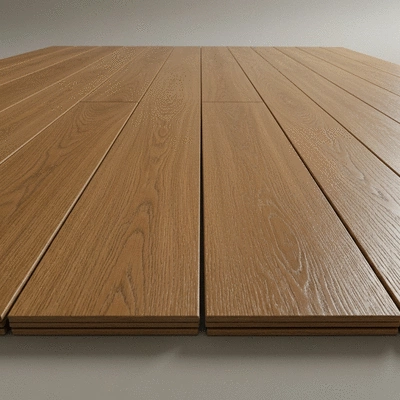
For instance, engineered flooring, which is designed for durability and stability, often comes at a slightly higher price point due to its manufacturing process. In contrast, solid wood offers a timeless appeal but can require more intensive maintenance over time. Either way, understanding these ranges will help you make informed decisions!
- Engineered wood flooring: $90 - $359/m²
- Solid wood flooring: $95 - $240/m²
These prices reflect a rough estimate. Specific quotes may vary based on your unique project requirements and local market conditions. It’s always a good idea to consult with a flooring specialist, like the team at Wood Flooring Pros, to get tailored advice.
Regional Pricing Variations Across Australia
Cost differences across major cities can significantly impact your overall flooring budget. For example, flooring installation prices tend to be higher in metropolitan areas due to increased demand and living costs. Here’s a quick look at the average costs in some key regions:
| City | Engineered Wood Flooring | Solid Wood Flooring |
|---|---|---|
| Sydney | $100 - $350/m² | $110 - $230/m² |
| Melbourne | $90 - $340/m² | $105 - $225/m² |
| Perth | $95 - $330/m² | $100 - $220/m² |
As you can see, cities like Sydney and Melbourne showcase higher price ranges, while Perth remains slightly more affordable. These variations underline the importance of researching local options and consulting with professionals who understand your area's pricing structure.
Factors Influencing Wood Flooring Installation Costs
Installation Methods: Floating vs. Direct Stick
The method of installation can significantly influence your overall costs as well. Two popular methods are the floating and direct stick installations. A floating floor is not attached to the subfloor, making it quicker and often less expensive to install. However, it may not provide the same durability as a direct stick installation, where the flooring is glued directly to the subfloor.
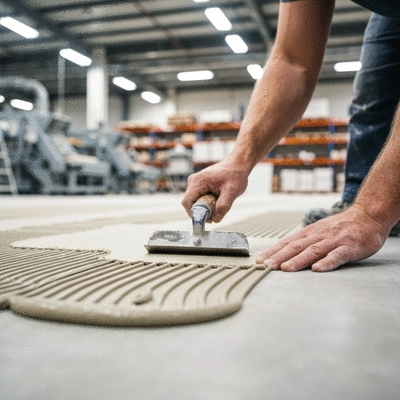
Here’s a quick breakdown of the pros and cons of each method:
- Floating Installation:
- Pros: Faster installation, less expensive, easier to replace.
- Cons: Can feel less stable, may warp over time if moisture is present.
- Direct Stick Installation:
- Pros: More durable, better for high foot traffic areas.
- Cons: Longer installation time, higher costs due to labor and materials.
Deciding between these methods will depend on your budget, the intended use of the space, and personal preferences. Consulting with Wood Flooring Pros can help clarify which method best suits your needs! For those considering a DIY approach or want to understand the process better, this guide on installing hardwood flooring can be very helpful.
Impact of Subfloor Preparation and Wood Grade on Costs
Another critical factor influencing your flooring installation costs is the condition of your subfloor. Proper preparation is essential to ensure a smooth and successful installation. If your subfloor requires extensive repairs or leveling, this can add to your overall expenses. Additionally, the grade of the wood you choose plays a vital role in pricing.
Understanding Labor Costs in Wood Flooring Installation
Labor costs are often a significant part of your overall installation price. It’s crucial to factor in the experience level of your installers, as well as the complexity of your project. For instance, intricate designs or patterns will naturally require more skilled labor, thus increasing costs.
Additionally, the payment structure—whether hourly or per square metre—can also affect your total expense. Here are a few key points to consider when assessing labor costs:
- Experience level of installers can influence rates.
- Complexity of the installation affects labor time.
- Geographical location may impact labor availability and pricing.
By understanding these components, you’ll be better prepared to evaluate quotes and make informed decisions about your flooring project.
Pro Tip
When selecting your wood flooring, consider not just the initial cost but also the long-term maintenance expenses. Opting for higher-grade wood may incur a higher upfront expense, but it often results in lower maintenance costs and greater durability, ultimately saving you money in the long run.
Making Informed Decisions on Wood Flooring Installation
When it comes to wood flooring installation costs, I understand that many homeowners have questions. It’s essential to arm yourself with the right information to make informed decisions. Below, I’ve compiled some frequently asked questions that might help clear up any uncertainties.
FAQs: Addressing Common Questions About Costs
- Is engineered wood flooring cheaper than solid? Yes, on average, engineered wood flooring tends to be less expensive, ranging from $90 to $359 per square metre, compared to solid wood, which typically ranges from $95 to $240 per square metre.
- What maintenance costs should I expect? Regular maintenance for wood flooring, such as cleaning and refinishing, can range from $0.50 to $3.00 per square metre, depending on the condition and type of finish.
- How often should I refinish my wood floors? Generally, solid wood floors need refinishing every 5-10 years, while engineered wood can last slightly longer, depending on the thickness of the veneer.
- Can I install wood flooring in high-moisture areas? While some engineered wood options are designed for moisture resistance, solid wood is typically not recommended for areas like bathrooms or basements.
- Do installation methods affect the cost significantly? Yes, floating installations are generally quicker and less expensive than direct stick installations, which require more labor and materials but offer greater durability.
- How does subfloor preparation impact costs? Extensive subfloor repairs or leveling can add to the overall expenses, as proper preparation is crucial for a smooth and successful installation.
These questions touch on crucial aspects of your flooring journey and can guide your decision-making process as you explore your options. Additionally, consider optimizing your search with relevant schema for voice queries to ensure you receive precise answers.
Understanding Warranty Terms and Coverage for Wood Flooring
- Structural Warranty: Covers defects in manufacturing or installation, typically lasting between 10 to 25 years.
- Finish Warranty: Protects against wear and tear, often spanning 5 to 10 years, depending on the product.
- Moisture Warranty: Important for engineered wood, addressing damage due to moisture exposure; terms vary.
Make sure to read the fine print and understand what each warranty covers. This knowledge can save you money and frustration down the line, ensuring your flooring remains beautiful and functional.
Exploring Flooring Maintenance and Its Cost Implications
- Regular sweeping or vacuuming to remove dust and debris
- Monthly mopping with a damp cloth and appropriate wood cleaner
- Annual refinishing to restore the floor’s finish and protect against wear
- Use of area rugs in high-traffic zones to minimize scratches
While these tasks require investment, they play a significant role in maintaining the aesthetics and durability of your wood flooring. Remember, a little upkeep can go a long way towards avoiding costly repairs in the future! For more detailed advice, check out our cleaning and caring for wood floors guide.
Conclusion: Choosing the Right Wood Flooring for Your Home
As we wrap up this section, it’s essential to synthesize all the information we’ve discussed. Assessing your options involves not only a look at costs but also consideration of personal preferences and practical requirements. Whether you’re leaning towards engineered or solid wood, ensuring that your choice aligns with your lifestyle and budget is key.
Take Action: Request a Quote and Get Started
If you’re ready to take the next step, I encourage you to request a personalized quote from Wood Flooring Pros! Utilize our cost calculator to explore what your project may entail, and reach out to us for expert advice tailored to your needs. Let’s make your flooring vision a reality!
Recap of Key Points
Here is a quick recap of the important points discussed in the article:
- Engineered wood flooring costs range from $90 to $359/m², while solid wood flooring ranges from $95 to $240/m².
- Installation prices vary by region, with cities like Sydney and Melbourne showing higher costs compared to Perth.
- The choice between floating and direct stick installation methods can significantly affect costs and durability.
- Proper subfloor preparation and the grade of wood selected impact overall installation costs.
- Labor costs should be evaluated based on the experience of installers and the complexity of the project.
- Understanding warranty terms can protect your investment and clarify coverage for defects and wear over time.
2026-04-01
Hardwood Floor Care Schedule Guide
 Did you know that maintaining hardwood floors can significantly extend their lifespan and enhance th
2026-03-30
Sustainable Wood Flooring for Homes
 Are you considering a flooring upgrade that combines beauty with sustainability? Sustainable wood fl
2026-03-26
Herringbone and Plank Flooring Guide
 As you consider your flooring options, think about how the right choice can enhance not just the aes